
Mountbatten Medallic History of Great Britain and the Sea Medal:Capebreton
AssociatedAssociated with
Lord Mountbatten of Burma
(Frogmore House, Windsor, England, 1900 - 1979)
Medallist
John Pinches, Medallists
DateMay 2004
Object NameMedal
MediumSterling Silver
ClassificationsMedals
AcquisitionPresented in 2004 by Dr Joan M Burrell.
LocationView by Appointment - Aberdeen Treasure Hub
Object numberABDMS072500.47
Keywords
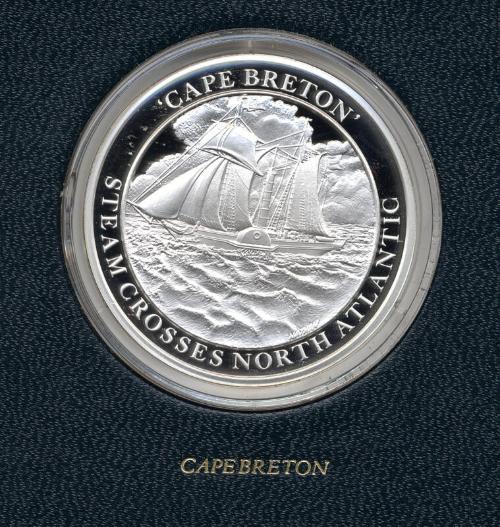
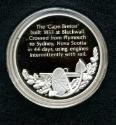
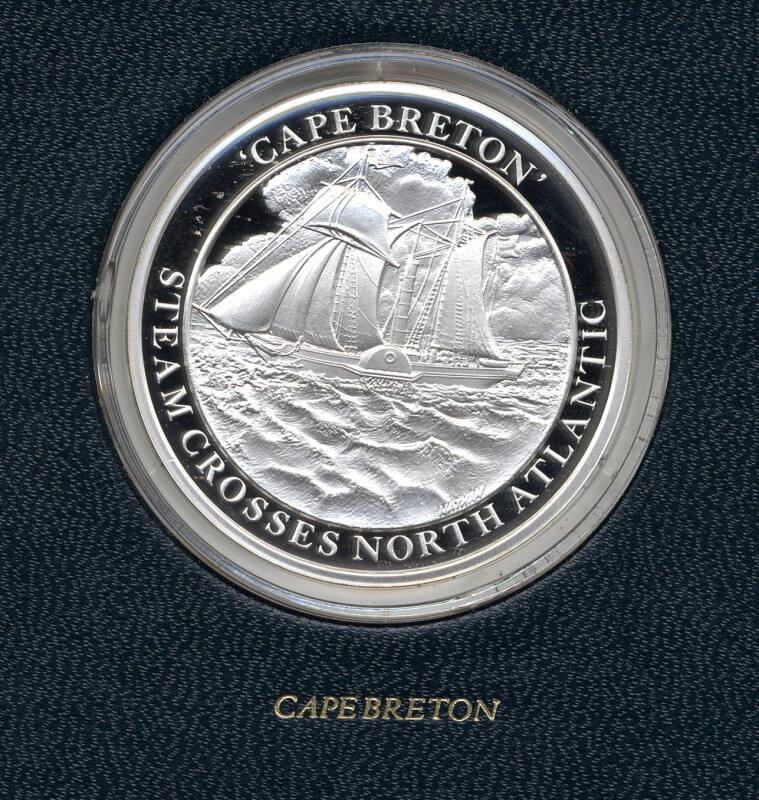
The Cape Breton belonged to the General Mining Association of London which at that time controlled most of the mining in Nova Scotia. She carried a cargo for the Company's mines at Sydney and at Stellarton near Pictou. In the course of her Atlantic passage she was sighted by a sailing vessel called the Jane which on arriving at Liverpool reported the meeting with a steamer.
After her arrival in Canada, the Cape Breton was employed in the ferry service across the Northumberland Strait from Pictou, Nova Scotia, to Charlottetown, Prince Edward Island with mail and passengers. In June 1835 she sailed back across the Atlantic to England, arriving at Plymouth on 2nd August. She was damaged in a gale on her return passage to Nova Scotia and finally returned to England in 1842. Her engines were taken out of her and she became a fully-rigged sailing ship. She continued in trade until she was lost at sea in May 1857.
During her pioneer North Atlantic voyage her engines would have been used intermittently when conditions suited and the rest of the time she would have sailed under her schooner rig. This was the normal practice with early steam ships.
The Cape Breton's passage is the first known of a vessel equipped with steam engines across the North Atlantic.
The Mountbatten Medallic History of Great Britain and the Sea, John Pinches Medallists Ltd.
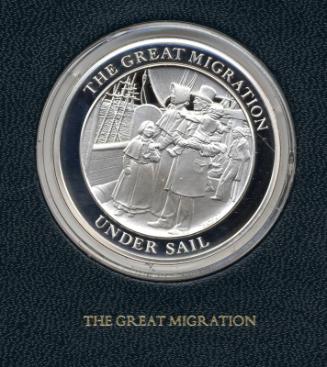
Lord Mountbatten of Burma
May 2004
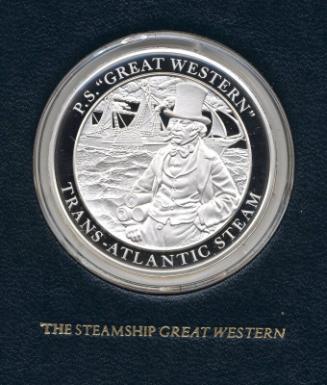
Lord Mountbatten of Burma
May 2004
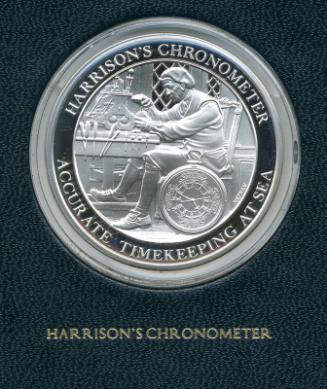
Lord Mountbatten of Burma
May 2004
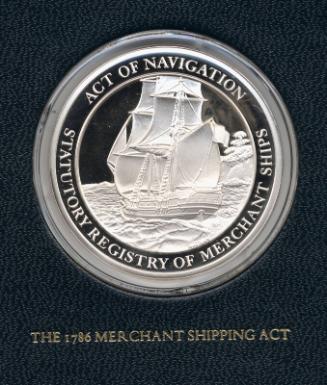
Lord Mountbatten of Burma
May 2004
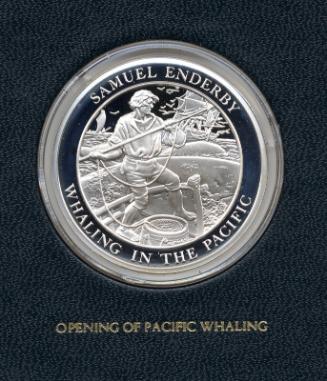
Lord Mountbatten of Burma
May 2004
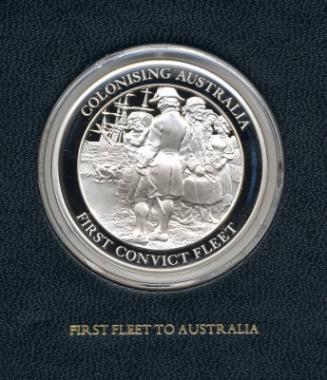
Lord Mountbatten of Burma
May 2004
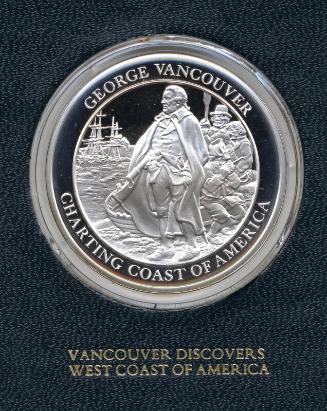
Lord Mountbatten of Burma
May 2004
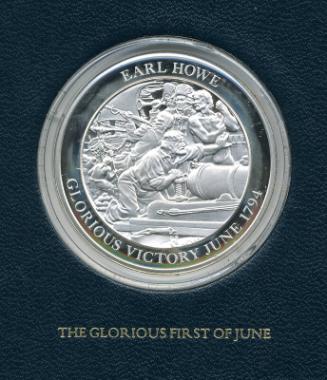
Lord Mountbatten of Burma
May 2004
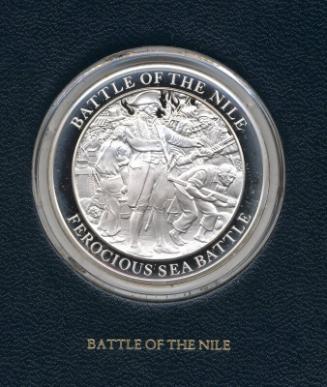
Lord Mountbatten of Burma
May 2004
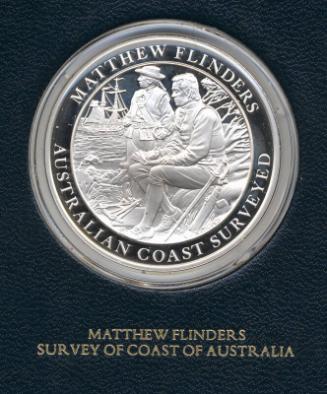
Lord Mountbatten of Burma
May 2004
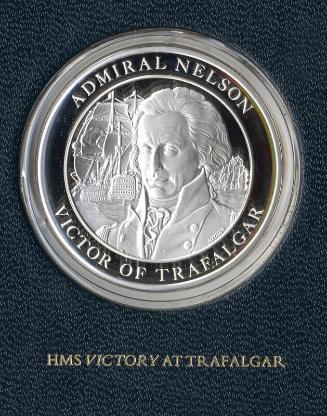
Lord Mountbatten of Burma
May 2004
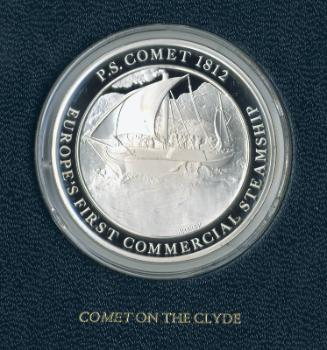
Lord Mountbatten of Burma
May 2004
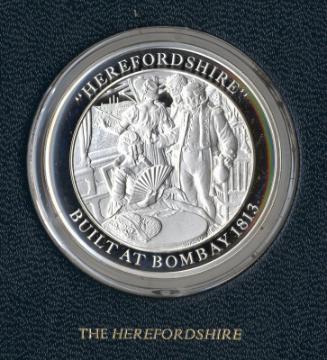
Lord Mountbatten of Burma
May 2004
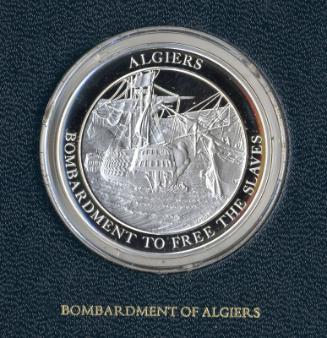
Lord Mountbatten of Burma
May 2004
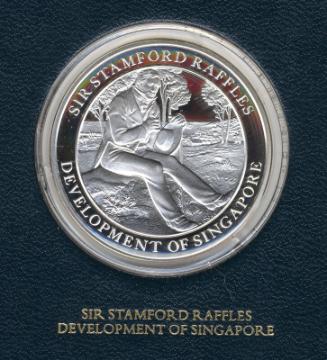
Lord Mountbatten of Burma
May 2004
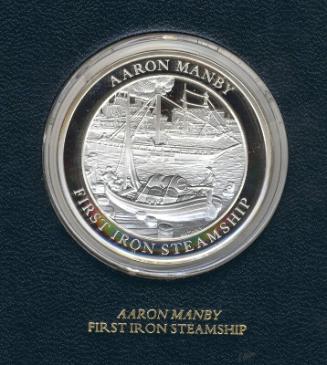
Lord Mountbatten of Burma
May 2004
Lord Mountbatten of Burma
May 2004
Lord Mountbatten of Burma
May 2004
Lord Mountbatten of Burma
May 2004
Lord Mountbatten of Burma
May 2004
Lord Mountbatten of Burma
May 2004
Lord Mountbatten of Burma
May 2004
Lord Mountbatten of Burma
May 2004
Lord Mountbatten of Burma
May 2004
